

Technology continues to evolve at an extraordinary pace, transforming industries, businesses, and everyday life. From artificial intelligence and cloud computing to cybersecurity and smart devices, modern innovations are reshaping how people communicate, work, and solve complex problems. Staying informed about these developments is essential for professionals, entrepreneurs, students, and technology enthusiasts alike. This is where techsized com plays an important role by providing insights into emerging technologies, industry trends, and digital transformation.
The technology landscape is no longer limited to software and hardware improvements. It now includes advanced automation, machine learning, data analytics, blockchain systems, and sustainable innovations. Companies around the world are investing heavily in research and development to create solutions that improve efficiency and enhance user experiences. Through regular coverage and detailed reporting, techsized com helps readers understand these advancements and their impact on the global market.
As technology becomes increasingly integrated into everyday activities, understanding current developments is more important than ever. This article explores major technology trends, innovations, challenges, and future opportunities shaping the digital world.
The Rapid Evolution of Modern Technology
The pace of technological advancement has accelerated significantly over the last decade. Businesses now rely on digital tools to streamline operations, improve customer engagement, and gain competitive advantages. Technologies that were once considered futuristic have become essential components of modern business strategies.

One of the most significant developments is the integration of artificial intelligence into various sectors. AI-powered systems can analyze vast amounts of data, automate repetitive tasks, and provide valuable insights for decision-making. Similarly, cloud computing has revolutionized data storage and accessibility, allowing organizations to operate more efficiently regardless of location.
According to reports highlighted by techsized com, industries such as healthcare, education, manufacturing, and finance are experiencing major transformations due to digital innovation. These sectors are adopting advanced technologies to improve services, reduce costs, and enhance overall productivity.
The growing dependence on digital platforms also creates opportunities for startups and entrepreneurs. Innovative solutions continue to emerge, addressing challenges related to communication, logistics, security, and customer experience. As a result, technology remains one of the most dynamic and influential forces in the modern economy.
Key Technology Trends Shaping the Industry
Several major trends are currently driving technological progress across industries. These trends influence business strategies and consumer expectations worldwide.
Major Technology Trends
- Artificial Intelligence and Machine Learning
- Cloud Computing Solutions
- Cybersecurity Enhancements
- Internet of Things (IoT)
- Blockchain Applications
- Automation Technologies
- Augmented Reality (AR)
- Virtual Reality (VR)
- Edge Computing
- Sustainable Technology Solutions
These innovations continue to gain momentum as organizations seek efficient and scalable digital solutions. Coverage from techsized com frequently examines how these trends affect industries and contribute to future growth.
Artificial Intelligence and Automation Revolution
Artificial intelligence has become one of the most transformative technologies of the modern era. AI systems can process large datasets, identify patterns, and make predictions with remarkable accuracy. Businesses are leveraging AI to improve operations, customer service, marketing campaigns, and product development.
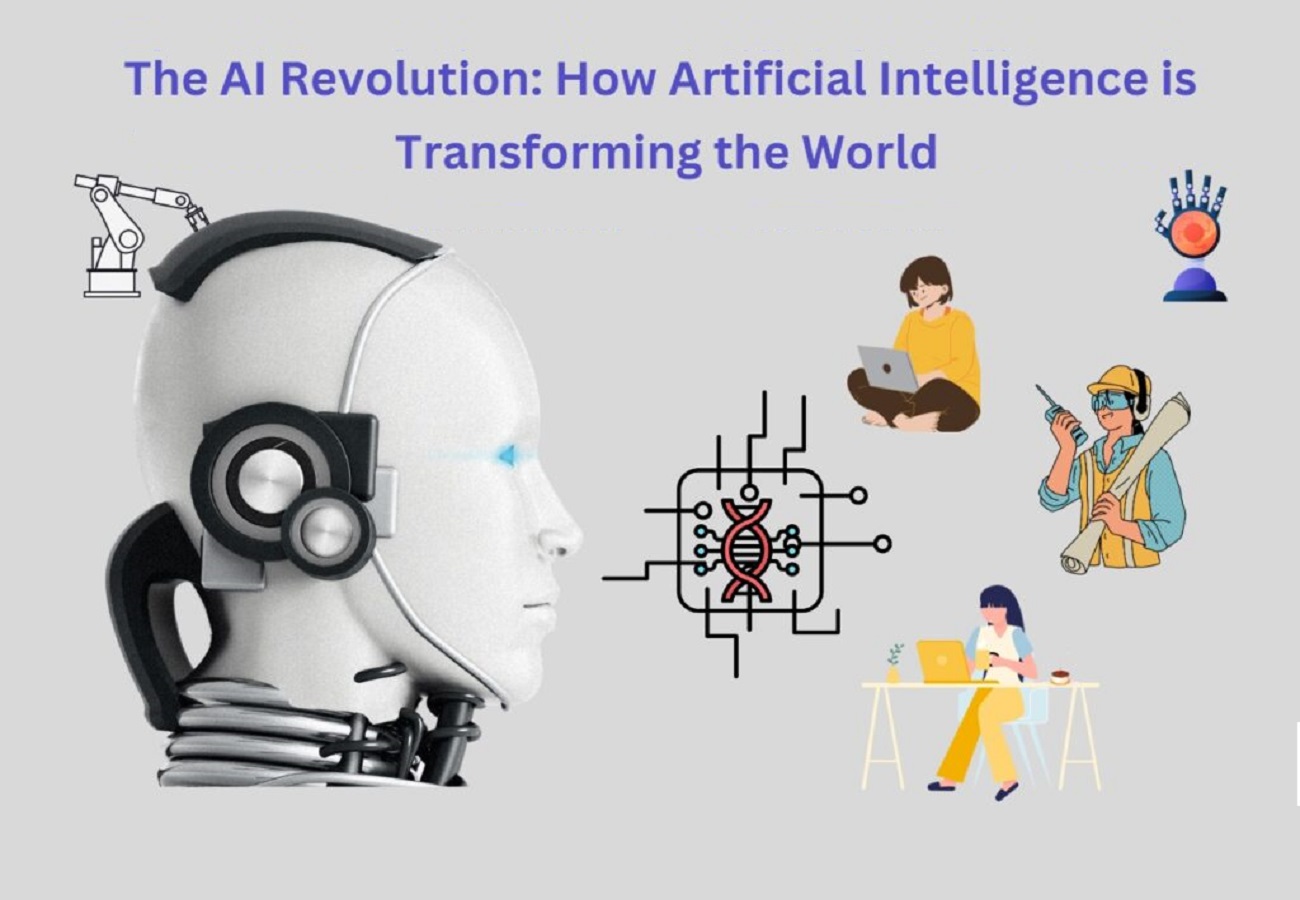
Automation is another significant trend closely linked to AI advancements. Organizations use automated systems to perform repetitive tasks, reducing human error and increasing productivity. Manufacturing companies employ robotic systems, while customer service departments utilize AI-powered chatbots to provide instant support.
The influence of AI extends beyond business operations. Healthcare providers use machine learning algorithms to assist in diagnostics and treatment planning. Educational institutions incorporate intelligent learning platforms to personalize student experiences. Financial organizations rely on AI for fraud detection and risk assessment.
As discussed in techsized com, the continued advancement of artificial intelligence is expected to create new opportunities while also raising important discussions about ethics, privacy, and workforce adaptation.
Cloud Computing and Digital Transformation
Cloud computing has become a cornerstone of digital transformation efforts worldwide. Organizations increasingly move their applications, databases, and services to cloud environments due to their flexibility, scalability, and cost-effectiveness.
The cloud enables businesses to access information from virtually anywhere while reducing the need for expensive physical infrastructure. This accessibility became especially valuable during the rise of remote work and distributed teams.
Benefits of Cloud Computing
| Benefit | Description |
|---|---|
| Scalability | Easily adjust resources based on demand |
| Cost Efficiency | Reduce infrastructure expenses |
| Accessibility | Access data from any location |
| Security | Advanced protection and backup options |
| Collaboration | Improved teamwork and communication |
| Flexibility | Support for remote work environments |
According to analyses frequently featured by techsized com, cloud adoption continues to grow as organizations seek agile solutions that support innovation and operational efficiency.
Cybersecurity in an Increasingly Connected World
As technology becomes more advanced, cybersecurity remains a critical concern. Organizations face growing threats from cybercriminals who target sensitive data, financial information, and digital infrastructure.

Cybersecurity strategies now involve multiple layers of protection, including encryption, multi-factor authentication, network monitoring, and employee awareness programs. Businesses invest heavily in security technologies to defend against ransomware attacks, phishing attempts, and data breaches.
The increasing number of connected devices further expands potential security risks. Smart devices, IoT systems, and cloud applications require comprehensive protection measures to ensure user privacy and data integrity.
Experts highlighted through techsized com emphasize the importance of proactive security strategies. Organizations that prioritize cybersecurity are better positioned to protect their assets and maintain customer trust in an increasingly digital environment.
The Rise of Smart Technologies
Smart technologies are becoming a fundamental part of modern life. Devices equipped with sensors, connectivity features, and intelligent software can collect data, communicate with other systems, and perform automated actions.
Examples include smart homes, wearable fitness devices, connected vehicles, and industrial IoT systems. These technologies enhance convenience, efficiency, and decision-making capabilities across various sectors.
Smart cities represent another significant development. Urban planners use connected infrastructure to improve transportation systems, energy management, and public services. Real-time data collection enables authorities to optimize resources and enhance the quality of life for residents.
The widespread adoption of smart technologies reflects a broader shift toward connected ecosystems. Through ongoing coverage, techsized com examines how these innovations continue to reshape industries and consumer experiences worldwide.
Emerging Technologies and Future Opportunities
The future of technology promises even greater advancements. Researchers and developers are exploring new areas that could significantly impact society and business operations.
Emerging Technologies to Watch
- Quantum Computing
- Advanced Robotics
- Extended Reality (XR)
- Brain-Computer Interfaces
- Green Technology Solutions
- Autonomous Transportation
- Next-Generation Wireless Networks
- Advanced Biotechnology
These innovations have the potential to solve complex challenges while creating entirely new industries and opportunities. Businesses that stay informed about emerging trends can better prepare for future changes and maintain competitive advantages.
Industry analysts featured by techsized com suggest that organizations investing in research and innovation today are more likely to succeed in tomorrow’s technology-driven economy.
Technology’s Impact on Business Growth
Technology has become a primary driver of business growth and competitiveness. Companies use digital tools to improve customer experiences, optimize supply chains, and develop innovative products and services.
Data analytics enables organizations to understand customer behavior and market trends more effectively. Automation reduces operational costs and improves efficiency. Digital marketing platforms help businesses reach broader audiences with targeted campaigns.
Business Areas Influenced by Technology
| Business Function | Technology Impact |
|---|---|
| Marketing | Data-driven campaigns |
| Sales | Enhanced customer engagement |
| Operations | Improved efficiency |
| Customer Service | Faster support systems |
| Human Resources | Automated recruitment |
| Finance | Better risk management |
The continued integration of technology into business processes highlights the importance of staying informed through reliable resources such as techsized com, which regularly explores industry developments and practical applications.
Challenges Accompanying Technological Progress
Despite its many benefits, technological advancement also presents challenges. Organizations must address issues related to data privacy, cybersecurity, workforce adaptation, and ethical considerations.
Rapid innovation often requires employees to develop new skills and adapt to changing job requirements. Businesses must invest in training programs to ensure their workforce remains competitive in an evolving digital environment.
Another challenge involves balancing innovation with responsible technology use. Questions surrounding AI ethics, algorithm transparency, and data protection continue to generate discussions among policymakers, businesses, and technology experts.
Environmental sustainability is also becoming an important consideration. Companies are exploring energy-efficient technologies and sustainable practices to reduce their environmental impact while maintaining growth and innovation.
Addressing these challenges effectively will be essential for ensuring that technological progress benefits society as a whole.
The Future Outlook for Modern Technology
The future of technology appears exceptionally promising. Continued advancements in artificial intelligence, cloud computing, connectivity, and automation will likely drive significant changes across industries.
Organizations that embrace innovation and remain adaptable will be better positioned to capitalize on emerging opportunities. Collaboration between businesses, researchers, governments, and educational institutions will play a critical role in shaping the next generation of technological solutions.
As digital transformation accelerates, consumers can expect smarter products, improved services, and enhanced experiences. Industries will continue to leverage advanced technologies to improve efficiency, sustainability, and competitiveness.
Insights shared through techsized com demonstrate that technology is not simply evolving—it is fundamentally reshaping how people live, work, and interact with the world around them.
Conclusion
Modern technology developments continue to influence every aspect of society, from business operations and education to healthcare and entertainment. Innovations such as artificial intelligence, cloud computing, cybersecurity solutions, and smart technologies are creating new opportunities while transforming traditional industries.