

Artificial Intelligence and digital innovation have become the driving forces behind modern technological advancement. Businesses, educational institutions, healthcare providers, and governments are rapidly adopting digital technologies to improve efficiency, productivity, and customer experiences. As technology evolves at an unprecedented pace, staying informed about emerging trends is essential for professionals and organizations alike. This is where techsized com serves as a valuable source of information, offering insights into AI developments, digital transformation strategies, and innovative technologies shaping the future.
The rise of automation, machine learning, cloud computing, and data analytics has transformed how industries operate. Companies now rely on intelligent systems to streamline workflows, make data-driven decisions, and enhance competitiveness. Through detailed coverage and analysis, techsized com helps readers understand these advancements and their practical applications. Whether exploring AI breakthroughs or emerging digital tools, the platform provides knowledge that supports informed decision-making in an increasingly technology-driven world.
Understanding the Role of AI in Modern Technology
Artificial Intelligence has moved beyond experimental research and become a fundamental component of modern business operations. AI-powered systems can analyze vast amounts of data, recognize patterns, and make predictions with remarkable accuracy. From recommendation engines used by online retailers to advanced healthcare diagnostics, AI applications are transforming industries worldwide.

Through its technology-focused content, techsized com highlights the significance of AI in solving real-world challenges. Businesses utilize AI for customer support through chatbots, fraud detection in financial services, and predictive maintenance in manufacturing. These applications demonstrate how intelligent technologies improve operational efficiency while reducing costs.
AI also enables organizations to personalize user experiences. Streaming platforms, e-commerce websites, and digital marketing campaigns rely heavily on machine learning algorithms to deliver customized content. As AI capabilities continue expanding, organizations that embrace these innovations gain a competitive advantage in their respective markets.
The Evolution of Digital Innovation
Digital innovation refers to the process of using technology to create new products, services, and business models. It encompasses advancements such as cloud computing, Internet of Things (IoT), blockchain, and artificial intelligence. These technologies have fundamentally changed how organizations interact with customers and manage internal processes.
The insights shared by techsized com emphasize that digital innovation is not merely about adopting new tools but about transforming organizational culture. Successful digital transformation requires leadership commitment, employee training, and strategic planning.
Organizations that prioritize innovation often experience:
- Improved operational efficiency
- Enhanced customer experiences
- Increased revenue opportunities
- Better data-driven decision making
- Stronger competitive positioning
By understanding these benefits, businesses can develop strategies that maximize the value of digital technologies while preparing for future market changes.
Key Technologies Driving Digital Transformation
Several technologies are playing a critical role in modern digital transformation initiatives. Their integration helps organizations remain agile and responsive in dynamic market environments.
| Technology | Primary Purpose | Business Impact |
|---|---|---|
| Artificial Intelligence | Automation and analytics | Improved decision-making |
| Cloud Computing | Scalable infrastructure | Reduced IT costs |
| Internet of Things | Connected devices | Real-time monitoring |
| Blockchain | Secure transactions | Increased transparency |
| Big Data Analytics | Data insights | Better business intelligence |
| Cybersecurity Solutions | Threat protection | Enhanced security |
According to analyses frequently discussed on techsized com, businesses increasingly combine multiple technologies to create integrated digital ecosystems. This approach enables organizations to improve performance while maintaining flexibility in changing environments.
How AI is Transforming Industries
Artificial Intelligence is influencing nearly every sector of the global economy. Its ability to process and interpret large datasets has created opportunities for innovation across diverse industries.
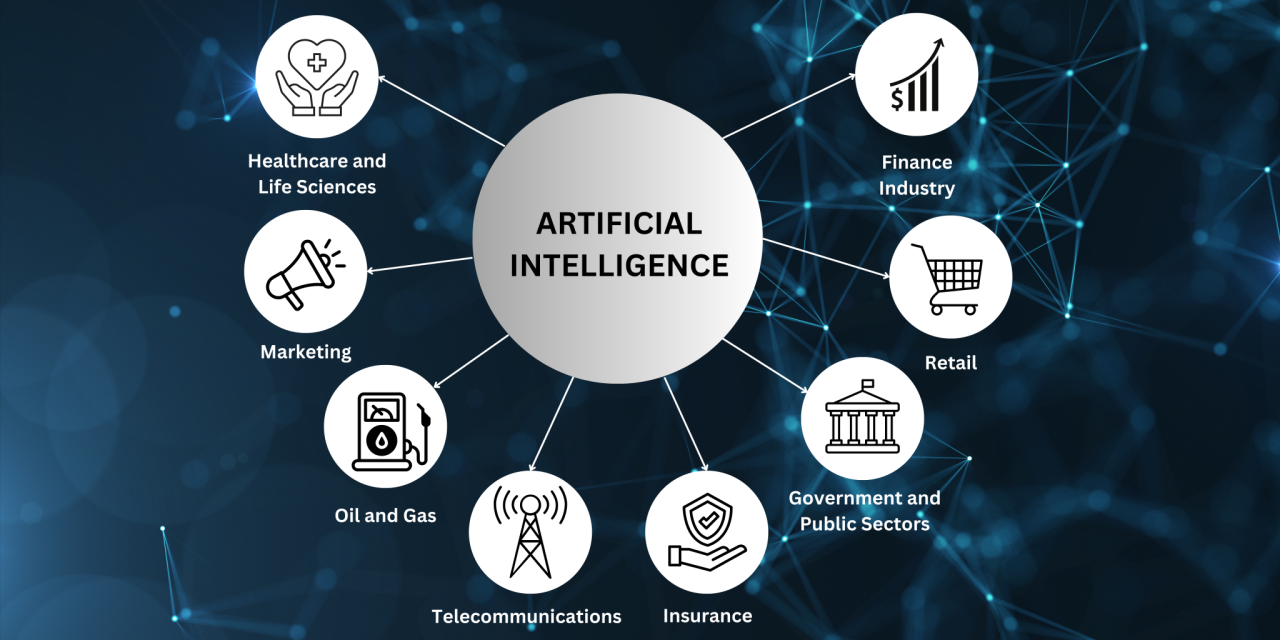
In healthcare, AI assists doctors in diagnosing diseases, predicting patient outcomes, and managing medical records. Financial institutions use machine learning algorithms to detect fraudulent transactions and assess credit risks. Retail businesses leverage AI to optimize inventory management and provide personalized shopping experiences.
Manufacturing companies employ predictive analytics to reduce equipment downtime and improve production efficiency. Transportation organizations use intelligent routing systems to enhance logistics operations. Educational institutions integrate AI-powered learning platforms that adapt to individual student needs.
The comprehensive industry coverage available through techsized com demonstrates how AI applications continue expanding. As technology becomes more sophisticated, organizations are discovering innovative ways to improve productivity and customer satisfaction.
Benefits of AI and Digital Innovation
AI and digital innovation offer numerous advantages that contribute to business growth and operational excellence. Organizations that invest in modern technologies often experience measurable improvements in performance and efficiency.
Key benefits include:
- Faster decision-making processes
- Increased operational productivity
- Enhanced customer engagement
- Reduced operational costs
- Improved risk management
- Greater scalability and flexibility
- Stronger competitive advantage
These benefits explain why businesses across industries prioritize digital transformation initiatives. Insights featured on techsized com frequently highlight case studies demonstrating how organizations achieve significant results through strategic technology adoption.
Moreover, digital innovation supports long-term sustainability by enabling efficient resource utilization and reducing waste. This combination of economic and environmental benefits makes technology investment increasingly attractive for modern enterprises.
Challenges in Adopting AI Technologies
While AI offers significant opportunities, organizations often face challenges during implementation. Understanding these obstacles is essential for successful technology adoption.

One major challenge involves data quality. AI systems require accurate and comprehensive datasets to generate reliable outcomes. Poor data management can reduce effectiveness and lead to inaccurate predictions.
Another concern is workforce readiness. Employees may require specialized training to effectively utilize AI-powered tools and adapt to changing workflows. Resistance to change can also slow digital transformation initiatives.
Cybersecurity risks represent another important consideration. As organizations adopt interconnected technologies, protecting sensitive information becomes increasingly critical. Businesses must implement robust security measures to safeguard digital assets.
Through educational content and expert perspectives, techsized com helps readers understand these challenges and develop practical strategies for overcoming them. Awareness of potential obstacles enables organizations to plan more effectively and maximize technology investments.
Emerging Trends in Artificial Intelligence
The AI landscape continues evolving rapidly, introducing new opportunities for innovation and growth. Several trends are shaping the future of artificial intelligence and influencing business strategies worldwide.
Some of the most significant trends include:
- Generative AI applications
- Autonomous systems and robotics
- AI-powered cybersecurity solutions
- Explainable AI models
- Edge computing integration
- Natural language processing advancements
- Predictive analytics expansion
These innovations are transforming how businesses operate and interact with customers. As highlighted by techsized com, organizations that monitor emerging trends can better anticipate market changes and identify new opportunities.
The growing accessibility of AI technologies also means that small and medium-sized enterprises can benefit from advanced tools previously available only to large corporations. This democratization of technology is accelerating digital innovation across industries.
The Importance of Data in Digital Innovation
Data serves as the foundation of modern digital innovation. Organizations generate vast amounts of information through customer interactions, transactions, connected devices, and operational activities. When analyzed effectively, this data provides valuable insights that support strategic decision-making.
AI systems rely on high-quality data to learn patterns, identify trends, and make predictions. Businesses that establish strong data management practices are better positioned to leverage advanced analytics and machine learning technologies.
Important aspects of effective data management include:
| Data Strategy Element | Purpose |
|---|---|
| Data Collection | Gather relevant information |
| Data Storage | Secure and organize data |
| Data Analysis | Extract actionable insights |
| Data Governance | Ensure compliance and quality |
| Data Security | Protect sensitive information |
By emphasizing the value of data-driven approaches, techsized com helps organizations understand the critical role information plays in successful digital transformation efforts.
Future Outlook for AI and Digital Innovation
The future of AI and digital innovation appears exceptionally promising. Technological advancements continue creating new possibilities for businesses, governments, and individuals. AI systems are becoming more intelligent, efficient, and accessible, enabling broader adoption across various sectors.
Experts predict that automation will continue expanding, allowing organizations to streamline repetitive tasks and focus on strategic initiatives. Intelligent technologies will likely play a central role in healthcare advancements, smart city development, environmental sustainability, and personalized education.
Digital innovation will also accelerate the integration of technologies such as augmented reality, virtual reality, quantum computing, and advanced robotics. These developments will reshape industries and create new economic opportunities.
The forward-looking insights available through techsized com help readers stay informed about these emerging possibilities. Understanding future trends enables organizations to prepare for change and remain competitive in evolving markets.
Why Businesses Must Embrace Innovation
Innovation is no longer optional in today’s competitive environment. Organizations that fail to adapt risk losing market relevance and customer trust. Digital transformation initiatives provide businesses with the tools needed to improve efficiency, enhance customer experiences, and drive growth.
Companies that successfully embrace innovation typically focus on:
- Continuous learning and improvement
- Strategic technology investments
- Customer-centric solutions
- Data-driven decision-making
- Agile business processes
By adopting these principles, organizations can create sustainable competitive advantages. The practical guidance often associated with techsized com reinforces the importance of proactive innovation strategies and long-term technological planning.
Conclusion
Artificial Intelligence and digital innovation are reshaping the modern world, influencing how businesses operate, compete, and serve customers. From automation and analytics to cloud computing and advanced cybersecurity, emerging technologies continue creating new opportunities for growth and transformation. Organizations that understand and embrace these advancements are better positioned to succeed in an increasingly digital economy.