


Introduction
Technology has become an essential part of modern life, influencing how people communicate, work, learn, and manage everyday responsibilities. From artificial intelligence and smart devices to cloud computing and automated systems, digital innovations are continuously changing the world. Businesses are adopting intelligent solutions to improve productivity, while individuals are discovering new ways to simplify daily activities. As technology becomes more advanced, understanding emerging trends is increasingly important for anyone who wants to remain informed and prepared for future developments.
In this evolving digital environment, techsized com represents a useful topic for exploring smart technology, modern innovation, and the growing influence of digital solutions. The technology landscape is no longer limited to computers and smartphones. It now includes connected homes, intelligent transportation, advanced healthcare systems, and data-driven business operations. These developments demonstrate how innovation can create opportunities across different industries while introducing challenges related to security, accessibility, and responsible technology use.
Understanding the Growing Importance of Smart Technology
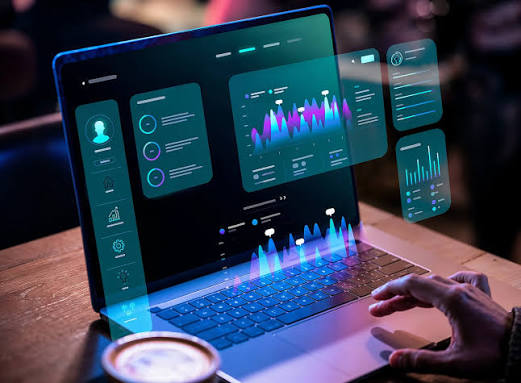
Smart technology refers to digital systems and devices that use connectivity, sensors, software, and intelligent processing to perform tasks more efficiently. Unlike traditional electronic devices, smart systems can often collect information, respond to changing conditions, and automate selected activities. A smart thermostat, for example, can adjust indoor temperatures based on schedules, occupancy patterns, and environmental conditions. Similarly, intelligent manufacturing equipment can monitor performance and identify potential maintenance requirements before serious problems occur.
The growing importance of smart technology comes from its ability to improve convenience, efficiency, and decision-making. Organizations use connected systems to monitor operations, reduce unnecessary expenses, and improve customer experiences. Individuals benefit from devices that support home security, health monitoring, communication, and entertainment. However, the effectiveness of these technologies depends on reliable connectivity, thoughtful design, and appropriate data protection. Smart solutions provide the greatest value when they address genuine problems rather than introducing unnecessary complexity.
How Techsized Com Connects With Modern Digital Innovation
Digital innovation involves developing or applying technologies to improve existing processes, products, and services. It is not simply about introducing advanced software or purchasing expensive equipment. Successful innovation requires identifying challenges, understanding user expectations, and implementing solutions that deliver measurable benefits. This approach explains why businesses increasingly focus on practical digital transformation instead of adopting every emerging technology.
When discussing innovation through techsized com, important areas include artificial intelligence, automation, cybersecurity, connected devices, and cloud-based services. These technologies often work together to create more capable digital systems. For example, an online retailer may combine predictive analytics with automated inventory management to estimate customer demand and maintain appropriate stock levels. Such integration can reduce operational inefficiencies while improving the shopping experience. The broader lesson is that technology becomes valuable when it supports clear objectives and produces meaningful improvements.
Artificial Intelligence and the Future of Intelligent Systems
Artificial intelligence has become one of the most influential developments in the technology industry. AI systems can recognize patterns, process language, classify information, and support complex decision-making. Modern applications include customer service assistants, fraud detection tools, medical imaging support, translation software, and recommendation engines. Generative AI has also expanded the possibilities for producing written content, software code, visual materials, and other digital outputs.
The continued development of artificial intelligence creates opportunities for businesses and individuals, but it also introduces important responsibilities. AI-generated information can contain errors, and automated decisions may reflect limitations or biases in training data. Organizations therefore need appropriate human oversight, quality checks, and clear accountability. In discussions surrounding techsized com, artificial intelligence illustrates how technological progress must balance efficiency with accuracy, transparency, and responsible implementation.
Machine Learning and Predictive Analytics
Machine learning allows computer systems to identify relationships within data and improve performance on specific tasks through training. Predictive analytics uses statistical techniques and machine learning models to estimate possible future outcomes. Retail companies may forecast demand, financial institutions may identify suspicious transactions, and logistics providers may anticipate delivery delays.
These applications are especially valuable when organizations have reliable data and clearly defined objectives. However, predictions are not guarantees. Their accuracy can decline when market conditions change or when the available information fails to represent real-world circumstances. Regular evaluation and human interpretation remain essential.
Smart Devices and the Internet of Things
The Internet of Things, commonly called IoT, describes networks of physical devices that collect and exchange information through digital connections. These devices may include sensors, cameras, appliances, industrial equipment, and wearable technology. By connecting physical objects to software platforms, IoT systems make it possible to monitor environments and respond to conditions with less manual intervention.
Smart homes provide a familiar example. Connected lighting can operate according to schedules, security cameras can send notifications, and energy monitoring systems can help residents understand electricity consumption. Industrial applications extend these capabilities to equipment maintenance, warehouse operations, and environmental monitoring. Agricultural businesses may also use connected sensors to measure soil moisture and support more efficient irrigation decisions.
Everyday Applications of Connected Technology
Connected technology is becoming increasingly useful in practical situations. Several common applications demonstrate its potential:
-
Smart homes: Automated lighting, temperature control, and security monitoring improve convenience.
-
Healthcare: Connected medical devices support selected forms of remote patient monitoring.
-
Transportation: Sensors and navigation systems help monitor vehicle performance and traffic conditions.
-
Agriculture: Intelligent irrigation systems support water management and crop monitoring.
-
Manufacturing: Connected equipment helps identify maintenance needs and production inefficiencies.
Although these applications offer benefits, connected devices can introduce cybersecurity risks when manufacturers or users neglect updates, passwords, and access controls. Secure configuration and ongoing maintenance are therefore important parts of successful IoT adoption.
Cloud Computing and Digital Transformation
Cloud computing has transformed how organizations access computing resources, store information, and operate software applications. Instead of maintaining every system on local infrastructure, businesses can use remote computing services according to their requirements. This flexibility supports collaboration, scalable operations, and faster deployment of digital services.
Cloud technology is particularly valuable for businesses with distributed teams or changing workloads. Employees can collaborate through shared applications, while organizations can expand computing capacity without immediately purchasing additional physical servers. However, cloud services still require careful management of costs, permissions, backups, and data security. The most effective strategy depends on business requirements, regulatory obligations, and the sensitivity of stored information.
The relationship between cloud services and techsized com highlights the importance of digital infrastructure in supporting modern innovation. Artificial intelligence platforms, connected devices, and online business applications frequently depend on reliable cloud environments. As organizations become more digitally connected, infrastructure planning becomes an essential part of long-term technology strategy.
Comparing Major Smart Technology Innovations
Different technologies solve different problems, even when they operate within the same digital ecosystem. Understanding their primary applications helps individuals and businesses select solutions that match their needs.
| Technology | Main Application | Potential Benefit |
|---|---|---|
| Artificial Intelligence | Data analysis and intelligent assistance | Faster insights and improved workflows |
| Internet of Things | Connected devices and monitoring | Better visibility and automation |
| Cloud Computing | Remote infrastructure and software | Flexible access and scalability |
| Robotic Automation | Repetitive physical or digital tasks | Greater consistency and productivity |
| Blockchain | Shared, tamper-evident records | Improved traceability in suitable applications |
| Edge Computing | Processing data near its source | Lower latency and reduced data transfer |
These technologies are not direct replacements for one another. A business may use several simultaneously, depending on its goals. For example, a manufacturing company could combine IoT sensors, edge computing, and predictive analytics to monitor equipment and identify possible failures.
Automation and the Evolution of Modern Workplaces
Automation is changing how organizations complete repetitive and time-consuming tasks. Software can process routine documents, generate notifications, organize records, and support customer interactions. In manufacturing, automated machinery can improve production consistency, while digital workflow tools can reduce administrative delays in office environments.
The workplace impact of automation extends beyond replacing manual activities. It also changes the skills employees need. Workers increasingly benefit from digital literacy, problem-solving abilities, analytical thinking, and experience collaborating with intelligent systems. Businesses that introduce automation without adequate training may experience operational difficulties or employee uncertainty.
Exploring workplace transformation through techsized com also raises questions about responsible implementation. Organizations should evaluate which tasks are appropriate for automation and where human judgment remains essential. Customer complaints, sensitive financial decisions, and complex healthcare situations often require personal understanding and accountability. Successful automation should improve the quality of work while supporting employees through changing responsibilities.
Cybersecurity and Digital Privacy in a Connected World

As digital systems become more interconnected, cybersecurity becomes increasingly important. Businesses and individuals regularly exchange sensitive information through online services, connected devices, and mobile applications. Cybercriminals may exploit weak passwords, outdated software, deceptive messages, or poorly configured systems to gain unauthorized access.
Cybersecurity is not limited to installing protective software. It involves a combination of technical controls, employee awareness, risk assessment, and incident preparation. Organizations must understand where important information is stored, who can access it, and how systems will recover after an unexpected disruption.
Essential Practices for Safer Technology Use
A few practical habits can significantly improve digital security:
-
Use strong, unique passwords and enable multifactor authentication.
-
Keep operating systems, applications, and connected devices updated.
-
Review privacy permissions before sharing personal information.
-
Maintain secure backups of important files and business records.
-
Verify suspicious messages before opening attachments or entering credentials.
Security practices must evolve alongside new technologies. AI-assisted scams, vulnerabilities in connected devices, and increasingly sophisticated phishing attempts demonstrate why continuous awareness matters. Strong protection supports innovation by making digital services more trustworthy and reliable.
The Role of Smart Technology in Healthcare and Education
Healthcare and education demonstrate how digital innovation can improve access to essential services. In healthcare, remote consultations, electronic records, connected monitoring devices, and AI-supported diagnostic tools can assist medical professionals. Wearable devices may also help individuals observe selected wellness indicators, such as activity levels and sleep patterns. These tools can provide useful information, although they should not automatically be treated as substitutes for professional medical evaluation.
Education is experiencing a similar transformation. Digital learning platforms, interactive simulations, virtual classrooms, and adaptive learning systems offer new ways to deliver educational material. Students can access resources beyond traditional classrooms, while teachers can use technology to organize lessons and identify areas where additional support may be useful.
The relevance of techsized com to these sectors lies in understanding how digital solutions can expand opportunities without ignoring limitations. Unequal internet access, affordability, accessibility requirements, and data privacy remain important concerns. Technology improves essential services most effectively when it supports qualified professionals and remains accessible to diverse communities.
Smart Cities and Sustainable Digital Development
Smart city initiatives use connected infrastructure, digital information, and automated systems to improve urban services. Applications may include adaptive traffic signals, intelligent street lighting, public transportation monitoring, and environmental sensors. These systems can help city administrators understand operational challenges and allocate resources more effectively.
Sustainability is another important area of technological innovation. Smart energy management systems can identify unnecessary electricity consumption, while digital monitoring tools can support water conservation and equipment efficiency. Advanced forecasting may also help renewable energy operators plan around changing weather conditions.
However, sustainability benefits depend on how technologies are manufactured, powered, maintained, and eventually discarded. Data centers consume energy, electronic devices require raw materials, and frequent equipment replacement contributes to electronic waste. Responsible digital development therefore considers the entire lifecycle of technology rather than focusing only on immediate operational benefits.
Emerging Technology Trends Shaping the Future
Several developments are influencing the direction of technology in 2026. AI-powered software agents are being explored for multistep workflows, edge computing is becoming increasingly relevant for time-sensitive applications, and organizations are paying greater attention to AI governance. Robotics, advanced semiconductor designs, and privacy-enhancing technologies are also important areas of research and commercial development.
These trends suggest that future innovation will increasingly involve cooperation between different systems. For instance, intelligent transportation infrastructure may combine connected sensors, local data processing, cloud services, and predictive software. Businesses may similarly integrate AI assistants with internal applications to streamline selected processes.
At the same time, emerging technologies often face practical limitations. Costs, reliability, security, regulatory requirements, and compatibility can delay widespread adoption. Through the broader perspective of techsized com, the future of technology is best understood as a combination of promising capabilities and the practical work required to make them dependable.
Challenges and Opportunities in Technology Adoption
Adopting smart technology can create competitive advantages, but implementation requires careful planning. Small businesses may struggle with limited budgets, insufficient technical expertise, or difficulty integrating new software with existing systems. Larger organizations may face challenges involving outdated infrastructure, complex approval processes, and inconsistent data management.
Successful adoption begins with identifying a specific problem. A retailer experiencing inventory errors, for example, should first examine existing processes before selecting an automated inventory platform. Similarly, a company considering AI tools should evaluate data quality, employee requirements, expected benefits, and potential risks.
Organizations also need realistic expectations about financial returns. Not every digital investment produces immediate savings, and some technologies require ongoing subscriptions, maintenance, training, and security expenses. Pilot projects and measurable performance indicators can help businesses determine whether a solution deserves broader implementation.
Frequently Asked Questions
1. What is the main purpose of exploring techsized com?
Exploring this keyword provides an opportunity to understand topics related to modern technology, digital innovation, and intelligent systems. Areas of interest include artificial intelligence, cloud computing, cybersecurity, connected devices, and automation. These subjects help readers recognize how technological developments influence businesses and everyday life.
2. How does smart technology improve everyday life?
Smart technology improves everyday activities by automating selected tasks, providing useful information, and enabling remote control of connected systems. Smart home devices, navigation applications, and digital health tools are common examples. Their usefulness depends on appropriate configuration, reliability, and responsible handling of personal information.
3. Why is artificial intelligence important for digital innovation?
Artificial intelligence can process large amounts of information, recognize patterns, and support tasks that previously required extensive manual effort. It helps organizations analyze data, personalize services, and automate certain workflows. However, human oversight remains important because AI systems can produce inaccurate or inappropriate results.
4. What challenges do businesses face when adopting new technologies?
Common challenges include implementation costs, cybersecurity concerns, employee training, compatibility with existing systems, and uncertain financial returns. Businesses can reduce these difficulties by identifying clear objectives, testing solutions on a smaller scale, and evaluating performance before making larger investments.
5. What technology trends are likely to influence the coming years?
AI-assisted workflows, connected infrastructure, advanced robotics, edge computing, cybersecurity improvements, and energy-efficient computing are likely to remain important. Their adoption will depend on technical reliability, affordability, regulation, and demonstrated practical value.
Conclusion
Smart technology and digital innovation are reshaping how people interact with information, manage businesses, and approach everyday challenges. Artificial intelligence, automation, cloud computing, connected devices, and cybersecurity are becoming increasingly interconnected, creating opportunities for greater efficiency and improved services. At the same time, responsible implementation requires attention to privacy, accessibility, reliability, and environmental impact.
Exploring innovation with techsized com offers a broader understanding of how emerging technologies influence modern society. The most important lesson is that technological progress should be measured not only by advanced features but also by meaningful improvements in people’s lives. As digital transformation continues, individuals and organizations that combine curiosity, practical knowledge, and responsible decision-making will be better prepared to navigate the future of smart technology.